How to Start Working Out at Home: Schedule, Exercises & First Steps
June 2026 · 11 min read
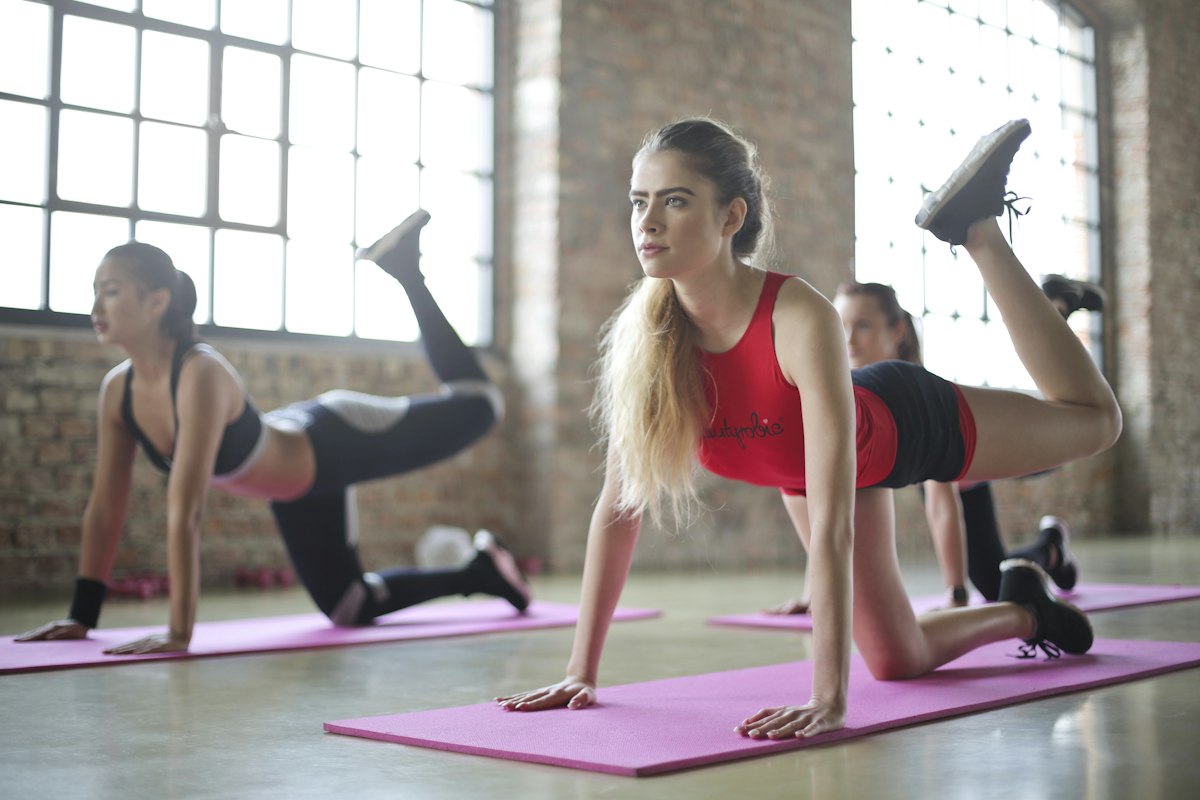
Why Home Workouts Work
The elimination of commute time and gym intimidation makes home workouts the most accessible entry point for beginners. The research on training environment shows that the most effective workout is the one that actually gets done consistently — and home training dramatically reduces the friction that prevents consistency.
Equipment needs are minimal for beginners. Your own body weight generates sufficient resistance to build meaningful strength, improve cardiovascular fitness, and develop the movement patterns that underpin all future athletic development. A foam roller and basic stretching tools add significant recovery support without significant cost.
Building Your Weekly Schedule
The 3-Day Foundation
For beginners, 3 training days per week with rest or active recovery days in between is optimal. This frequency provides sufficient stimulus for adaptation while allowing adequate recovery time between sessions. A simple Monday-Wednesday-Friday or Tuesday-Thursday-Saturday structure works well.
Training Day Structure
Each session should follow: warm-up (5 minutes) → primary exercises (20–25 minutes) → cool-down and recovery work (10 minutes). Total session time of 35–40 minutes is achievable, sustainable, and genuinely effective.
Essential Beginner Movements
Lower Body
Squats develop quadriceps, glutes, and posterior chain strength fundamental to all other movement. Begin with bodyweight squats focusing on hip hinge mechanics and knee tracking before progressing to any loaded variation. Lunges develop single-leg stability and address common left-right asymmetries. Glute bridges build the posterior chain strength that protects the lower back.
Upper Body
Push-ups develop pushing strength, core stability, and shoulder girdle stability simultaneously. Beginners who cannot yet do a full push-up should start with an inclined variation (hands elevated on a bench or table) and progress toward floor level over weeks. Inverted rows (under a sturdy table) develop pulling strength critical for posture balance.
Core
Plank variations build deep core stability — the foundation that transfers force efficiently between upper and lower body. Hollow body position on the floor and dead bugs develop anterior core control that reduces lower back load during all other exercises.
Progression Principles
Progress by increasing difficulty, not by training more days per week. For each exercise, aim to increase either repetitions or difficulty level every 1–2 weeks. Once you can perform 3 sets of 15 clean repetitions of any exercise, progress to a more challenging variation.
Recovery Tools from Day One
Beginning a training program without recovery tools is like starting a long drive without checking tire pressure. The muscle soreness that accompanies new training is manageable — but without basic recovery support, it becomes a deterrent to consistency.
Foam Roller
A basic high-density foam roller used for 10–15 minutes after each training session dramatically reduces next-day soreness. Focus on the muscle groups worked during each session. This single tool provides more recovery benefit per dollar than any other recovery investment for beginners.
Stretching Strap
A non-elastic stretching strap with multiple loops allows progressive flexibility work that complements training. Use it post-session for hamstring, hip flexor, and calf stretching held 45–60 seconds each.
Posture Corrector
Beginners working at a desk benefit from wearing a posture corrector 1–2 hours during the workday to supplement the postural awareness training that home workouts provide. Poor sitting posture undermines the movement quality you're building in your training sessions.
According to the [Physical Activity Guidelines for Americans](https://health.gov/our-work/nutrition-physical-activity/physical-activity-guidelines), adults who strength train twice per week in addition to cardiovascular activity show significantly better long-term health outcomes than those who do cardio alone. The [American College of Sports Medicine](https://www.acsm.org/) recommends progressive resistance training for beginners with adequate recovery periods between sessions.